
The History of Car Tuning and Custom Modifications
The Evolution of Car Tuning: From Mechanics to High-Precision Performance
Car tuning and modifications have always been more than just a hobby — it’s a culture, a science, and for many, a lifelong obsession. Since the invention of the automobile, enthusiasts have experimented with their vehicles to go faster, corner harder, and stand out in a crowd. But behind the roaring engines and eye-catching body kits lies a fascinating journey of engineering, innovation, and passion.
The Origins: Tuning Before Computers
In the early 1900s, car tuning was purely mechanical. Engine enthusiasts adjusted carburetors, changed camshafts, and played with ignition timing to extract more horsepower. In an era without electronic controls, performance gains came from hands-on experimentation and a deep understanding of combustion principles.
The Hot Rod Revolution: 1950s–1960s
After World War II, surplus vehicles and access to V8 engines gave birth to a distinctly American phenomenon: the hot rod. Backyard mechanics stripped down heavy chassis, swapped in powerful engines, and began racing on dry lakebeds and open roads. This era wasn’t just about speed — it defined the rebellious spirit of tuning.
The Digital Era: Tuning Meets Technology
By the 1970s and 1980s, the introduction of electronic fuel injection and onboard computers revolutionized the game. Car tuning became more precise and technical. Enthusiasts began experimenting with ECU remapping, allowing them to tweak fuel-air ratios and ignition curves without touching a wrench. This ushered in a new breed of tuner — one with a laptop and a dyno sheet instead of just a socket set.
The Global Tuning Explosion: 1990s–Present
In the 1990s, the world watched as Japanese imports like the Nissan Skyline, Toyota Supra, and Honda Civic took center stage. The “Fast and Furious” era made JDM culture mainstream, turbochargers became household terms, and aftermarket performance parts exploded in popularity. At the same time, European tuning houses refined the balance between aesthetics and engineering, introducing coilovers, aerodynamic kits, and ECU upgrades that respected OEM elegance.
Inside the Tuning Industry: From Workshops to R&D Labs
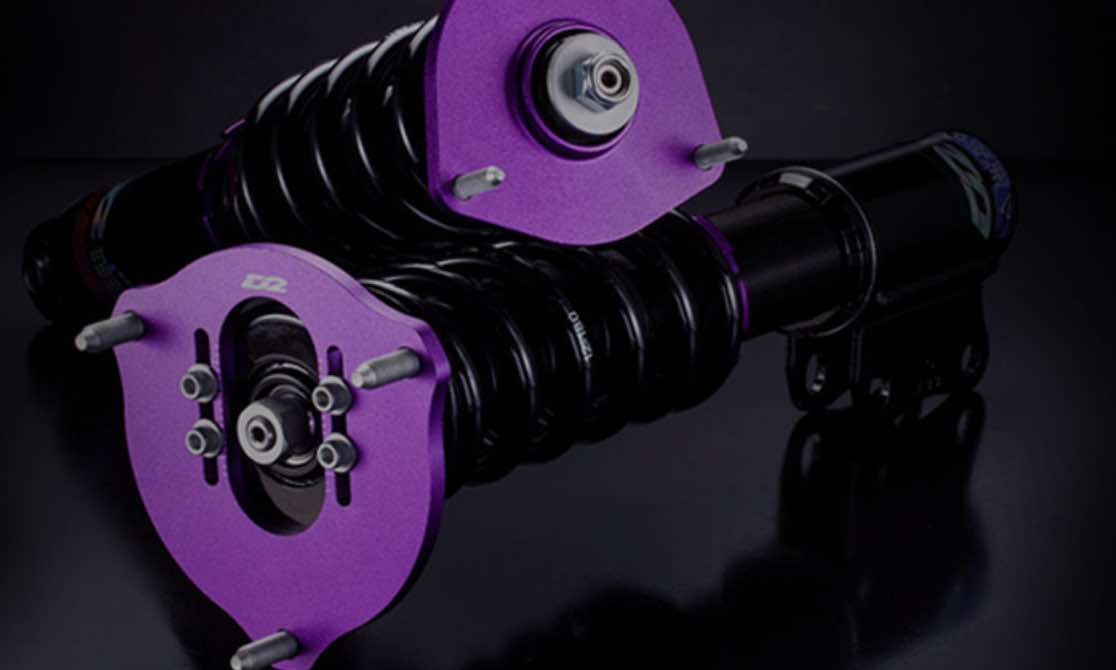
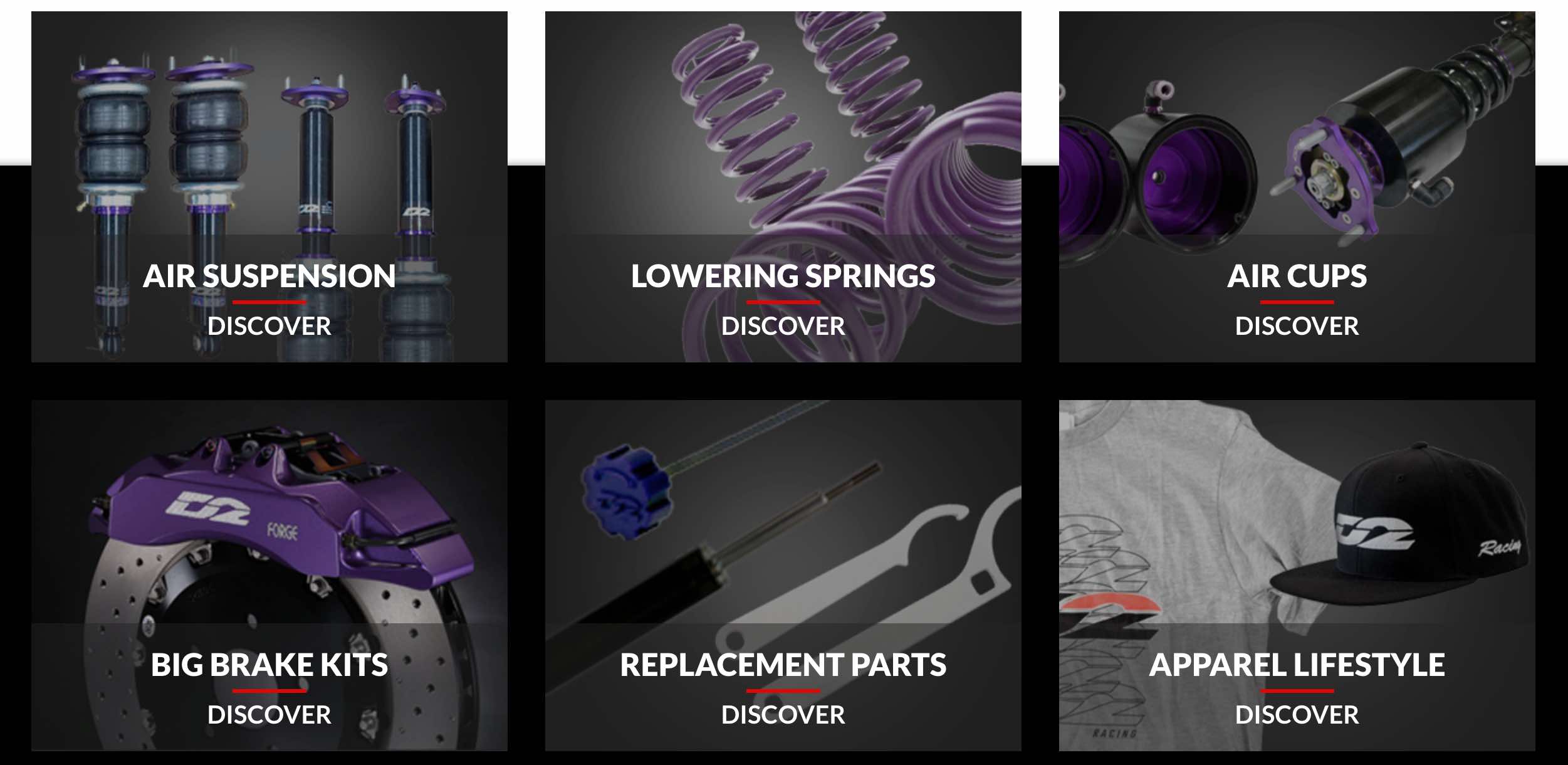
Tuning today is a billion-dollar industry. What once was limited to garages and backyards is now driven by data, simulation, and precision manufacturing. Companies like D2 Racing exemplify this transformation — offering components engineered not just for looks, but for real-world performance and track-proven results. Their product line includes coilover suspension systems, air ride kits, and big brake conversions that have become staples in both grassroots builds and professional race teams.

The Science Behind the Build
Modern tuning is a fusion of art and science. Installing a coilover isn’t just about lowering a car — it’s about optimizing center of gravity, spring rates, and damper response. Similarly, upgrading brakes isn’t only for stopping power, but for managing heat, weight transfer, and fade resistance during aggressive driving. With brands like D2 Racing, these components are backed by CAD simulation, stress testing, and decades of motorsport feedback.
Conclusion: More Than Just Mods
Car tuning is a reflection of personality, passion, and precision. It tells stories — of trial and error, speed and control, beauty and brute force. Whether you’re building a show car, a track weapon, or just want your daily to feel more alive, tuning connects you to the deeper mechanics of driving. And with access to high-quality parts from trusted brands, the road to performance is more open than ever.




Good article, but I think people overestimate what aftermarket parts can really do. Unless you’re on a track, most drivers won’t notice the difference from a big brake kit. Still, I respect the engineering behind brands like D2 — just not sure the average driver needs it.
Solid read. I’ve been tuning cars for over a decade and it’s wild to see how far things have come. Back in the day, it was all trial and error. Now you’ve got guys adjusting fuel maps from their phones. Big fan of D2’s coilovers — been running them on my Civic track build with zero issues.